
The complete guide
H7 Halogen Headlight Bulbs: How To Choose, Check And Fit Them
The problem nobody notices until it is dark
Headlight bulbs rarely die in a dramatic way. They fade. A halogen filament thins slightly with every hour of use, and the light it throws gets a little weaker and a little yellower each month. Because the change is so slow, your eyes adjust along with it. Then one night you pull onto an unlit road and realise you cannot see as far as you used to, or you notice one side of the car throwing a noticeably brighter patch than the other.
That second symptom is usually the giveaway. One bulb has finally gone, and the contrast with the surviving one makes the drop in output obvious. A pair of H7 halogen headlight bulbs solves both halves of the problem at once, because you replace the failed one and the tired one together instead of chasing the second failure a month later.
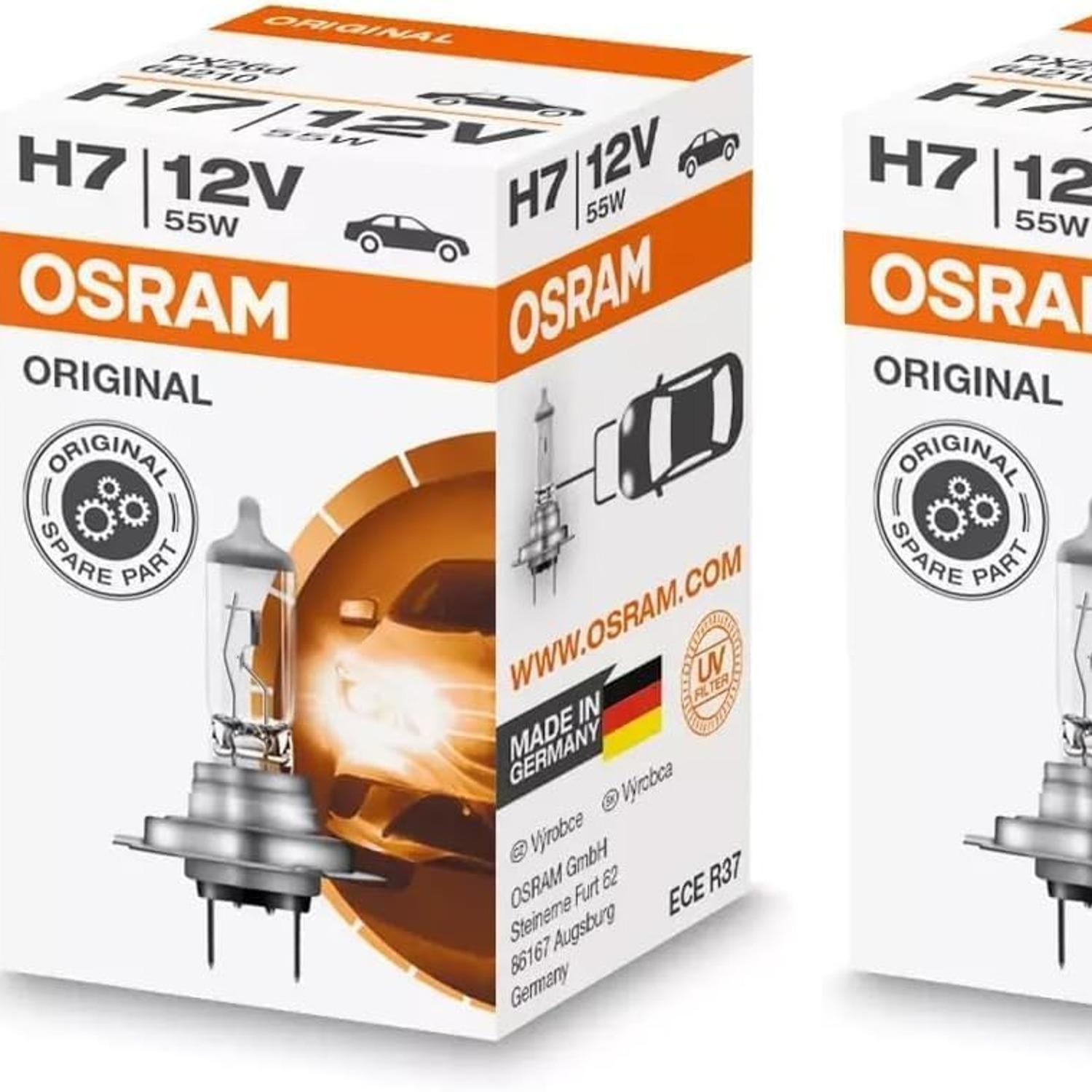
What H7 actually means
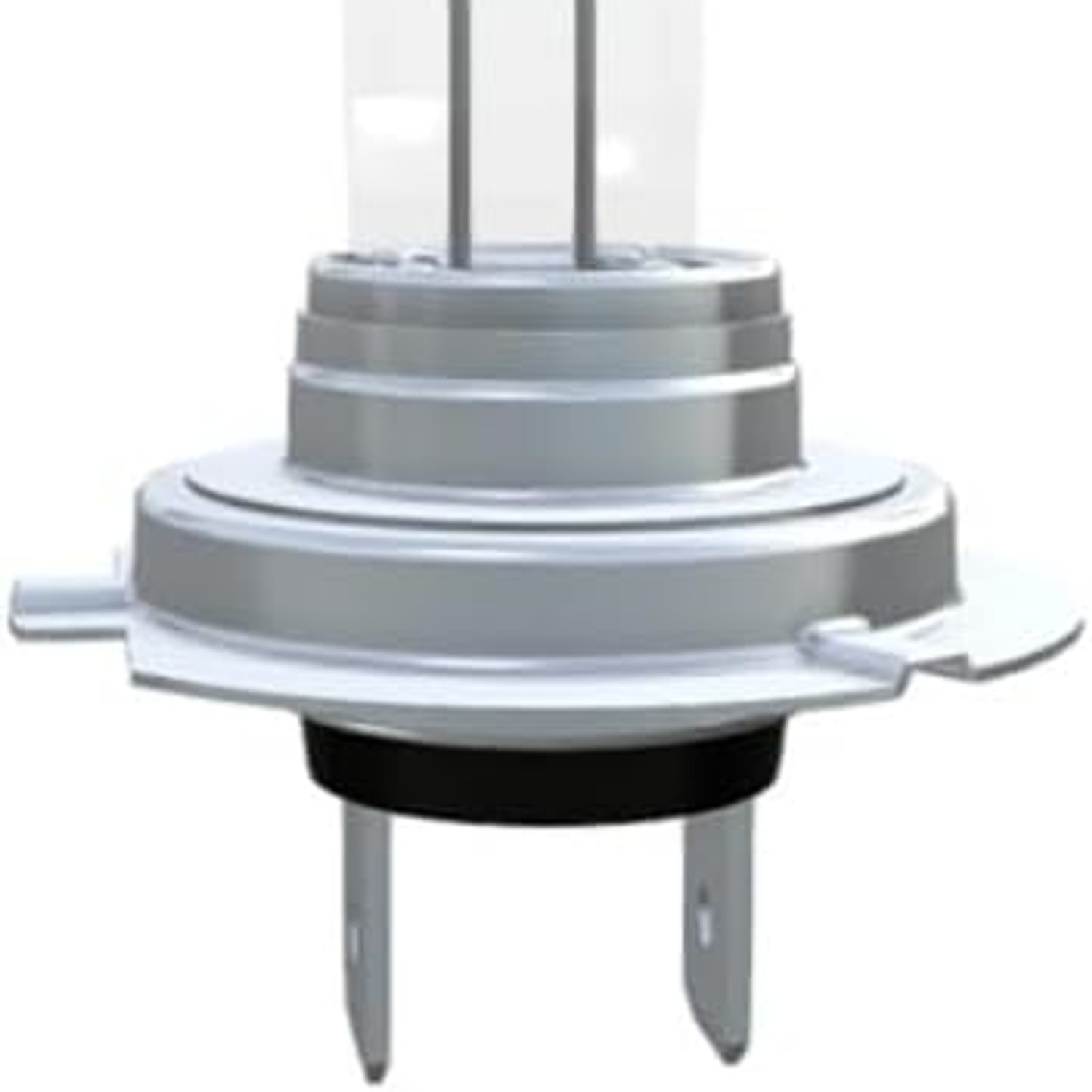
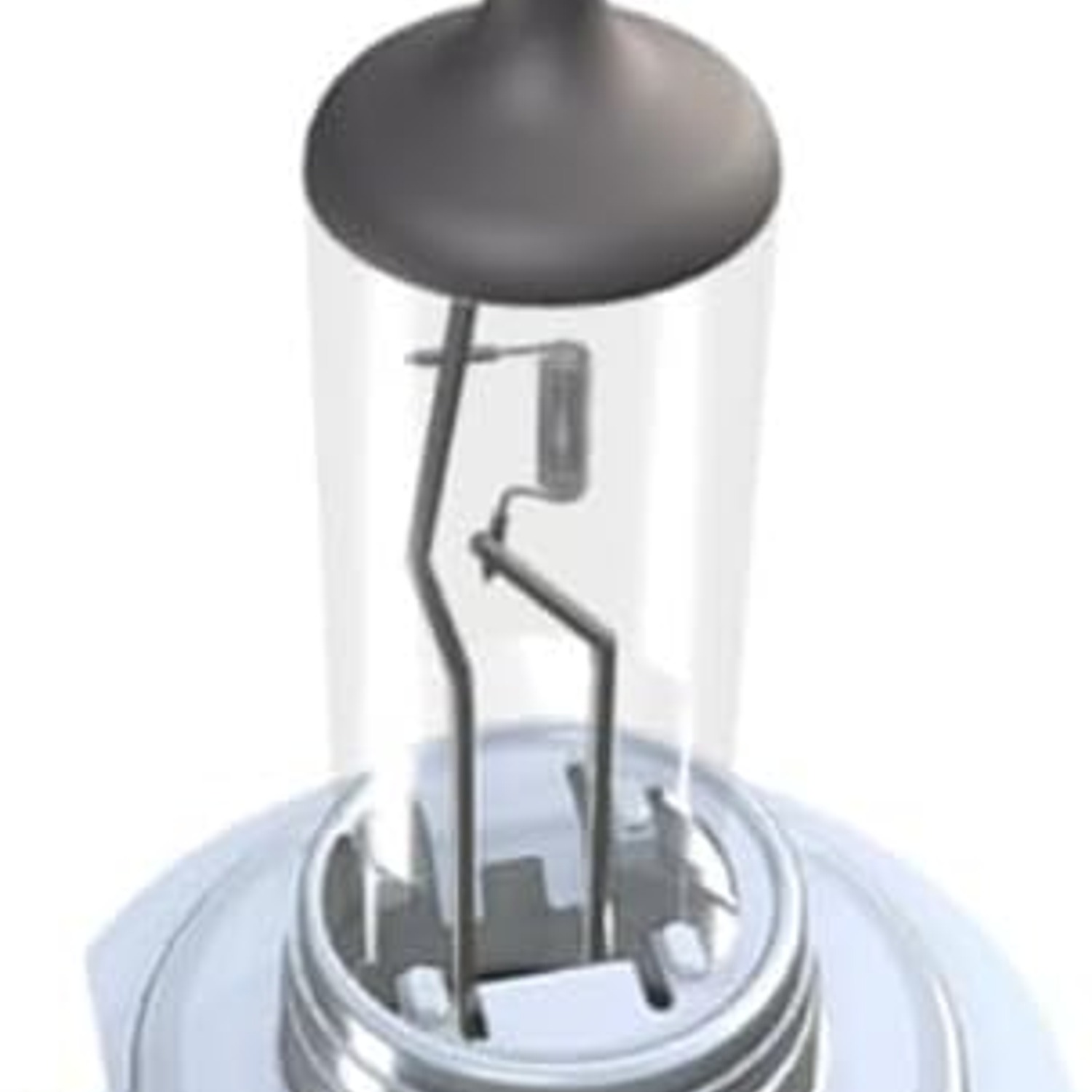
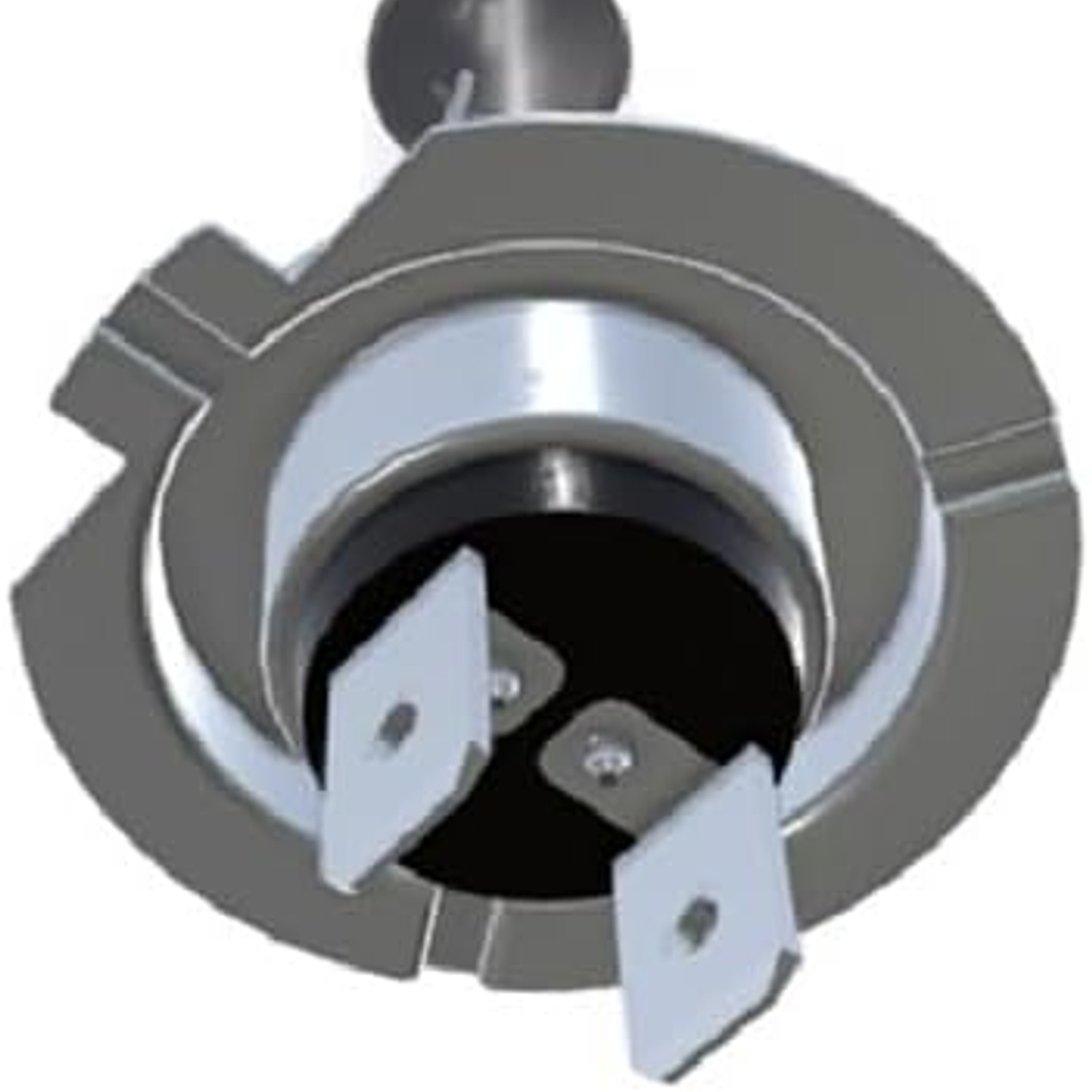
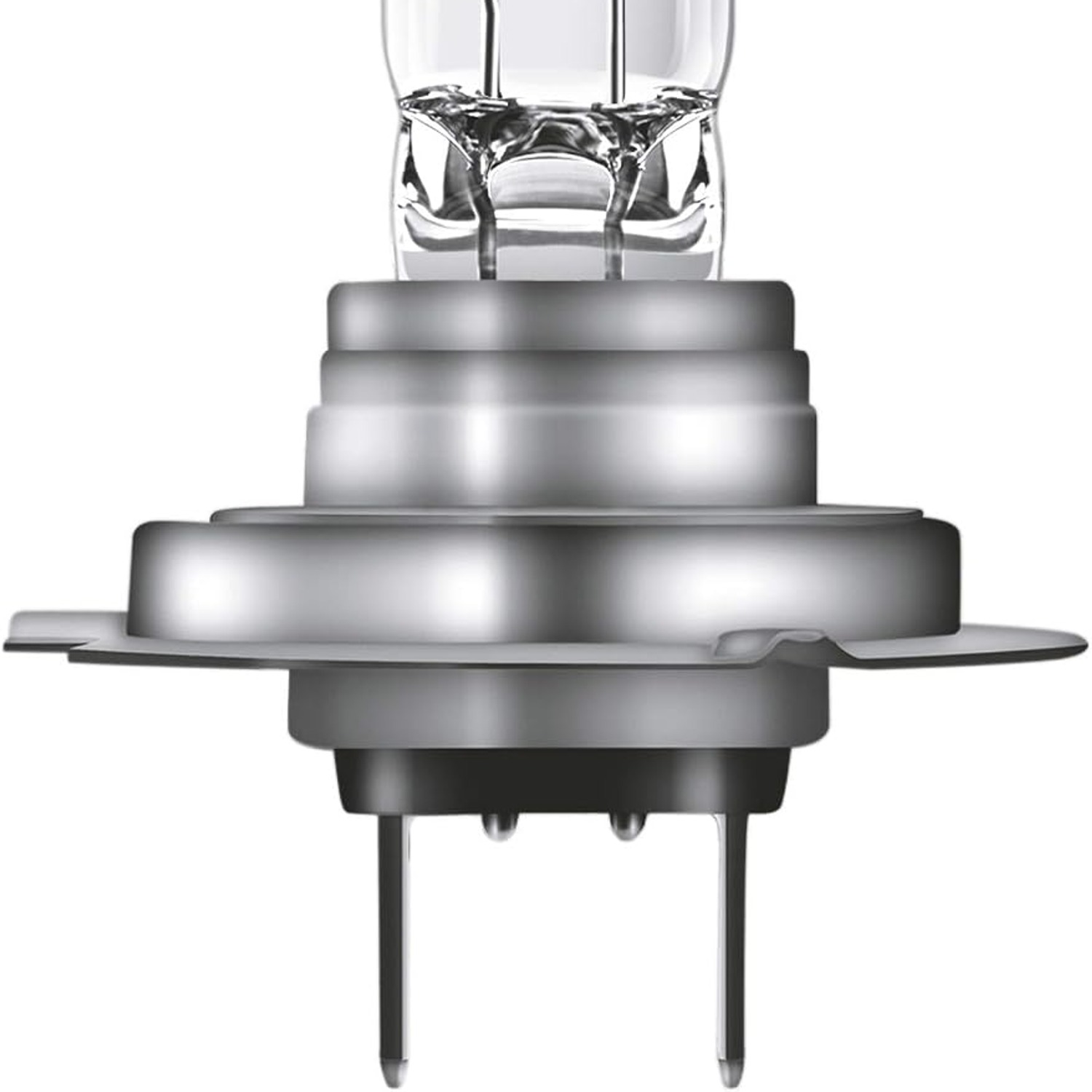
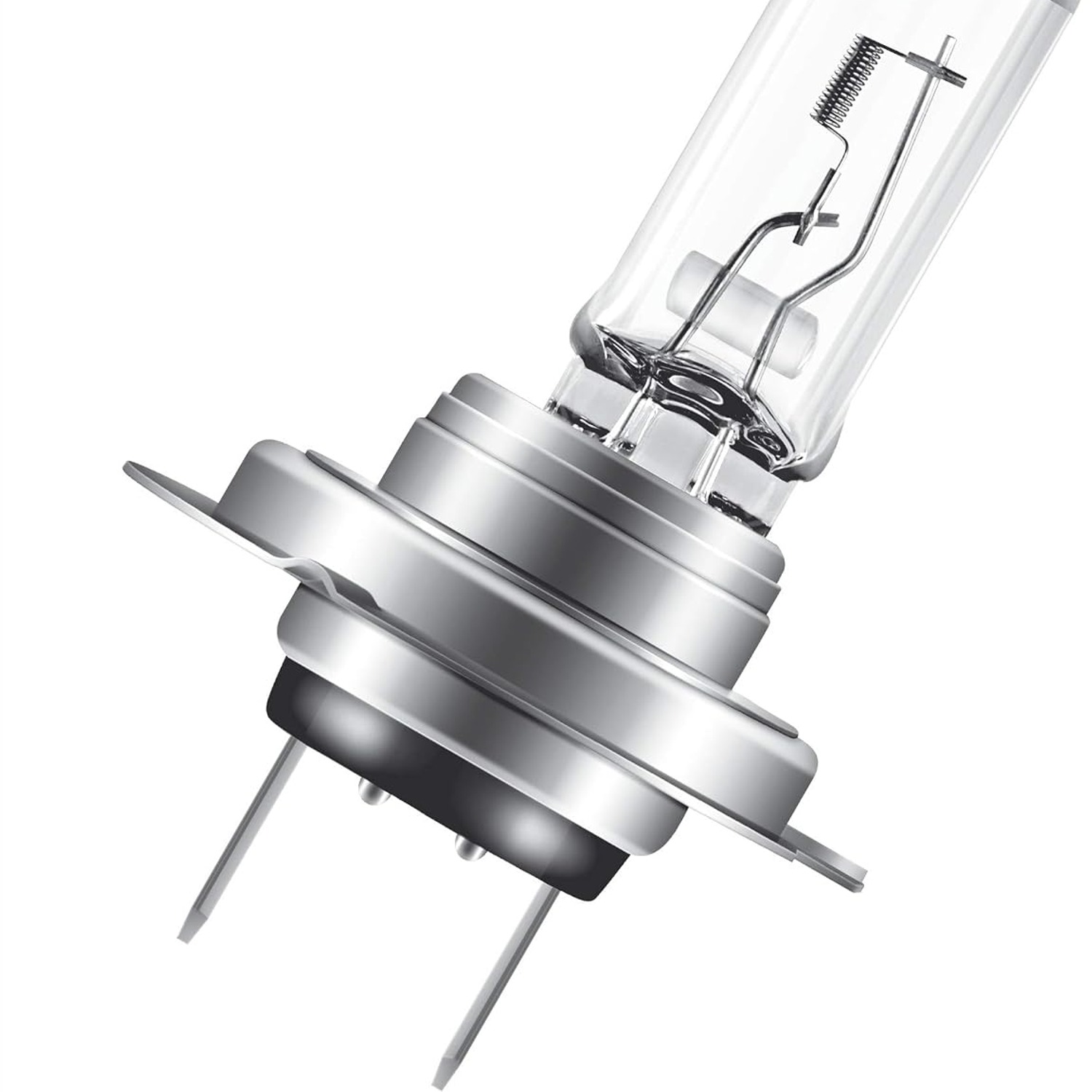
It tells you the shape of the base, where the single filament sits inside the glass, and how the bulb locks into the holder. H7 bulbs have a flat tab base with locating notches, and they only drop into an H7 holder. If your car uses a different fitting, an H7 bulb will not go in, and that is a feature rather than a nuisance. It stops people fitting the wrong thing.
The pack here is two bulbs, each rated at 12 volts and 55 watts. The voltage needs to match your vehicle electrical system, and the wattage is the standard halogen rating for this fitting. Keeping both the same as what you are removing is the simplest route to a swap that just works.
Checking what your car takes
There are two reliable ways to find out, and neither takes long.
The first is the owner manual. Look for the dipped beam and main beam rows. If either says H7, you are in the right place.
The second is the old bulb itself. Pull it out and read the marking on the metal base or the printed plastic collar. Manufacturers stamp the fitting designation there, usually alongside the voltage and wattage. This is the method we recommend if you have bought the car second hand and the manual has gone missing, or if a previous owner has changed things.
What we cannot do is confirm fitment by vehicle name or registration number. Fitment for this pack is by fitting type only, so the check has to happen at your end. It takes two minutes and it saves a return.
A note on approvals
We do not claim an approval mark for this bulb. If your situation requires an approved bulb, read the marking on the bulb you are taking out, note down exactly what it says, and get in touch with us before you place the order. We would rather answer a question up front than have you fitting something that does not suit your requirements.
Fitting them without ruining them
The single most common mistake with halogen bulbs is touching the glass. Quartz glass runs hot, and the oil left behind by a fingertip creates a spot that heats differently from the glass around it. The practical result is a bulb that gives up earlier than it should. Hold the new bulb by its metal base or the plastic collar, and if you are the sort of person who fumbles small parts, put on a clean pair of gloves before you start.
If you do touch it, all is not lost. Wipe the glass with a lint-free cloth and a little methylated spirit, let it dry properly, and then fit it. Avoid paper towels that shed fibres and anything that has been near a greasy bench.
The second rule is heat. Headlight bulbs get very hot in use and stay hot for a while after you switch off. Turn the lights off, turn the ignition off, and give the old bulb a few minutes before you reach for it. Burnt fingertips are the most avoidable part of this job.
Access varies enormously between vehicles. Some cars give you a rubber cover at the back of the headlight and plenty of room behind it. Others expect you to remove an air box, a washer bottle or a wheel arch liner first. Your owner manual will tell you which camp you are in, and it is worth reading that page before you start rather than halfway through.
Why pairs make sense
Think of headlight bulbs the way you think of windscreen wiper blades. Both sides have done the same hours, in the same weather, through the same vibration. When one goes, the other is on borrowed time.
Replacing in pairs gives you two practical benefits. The beams match, which means no bright patch on one side pulling your attention off the road. And you only do the awkward access job once, rather than digging behind the headlight again in a few weeks.
Even if you decide to fit only one bulb today, having the second one on hand is useful. A spare H7 bulb in the glovebox is one of those small items that feels like nothing until a bulb fails on a Sunday night somewhere with no open shops.
Who this pack suits
Anyone running a 12 volt vehicle with H7 headlight bulbs is the obvious answer. Beyond that, a few groups get particular value out of it.
Drivers who do a lot of night mileage notice fading first and benefit most from fresh bulbs. People who have just bought an older used car often find the headlights have been neglected for years, and a new pair is one of the cheapest improvements available. And anyone preparing a car for a long trip, a motorway run or a holiday drive on unfamiliar roads would do well to check their lights before setting off, not after.
New drivers are worth a mention too. Knowing how to change a headlight bulb is a genuinely useful skill, and doing it once on a calm afternoon in the driveway is far better than learning on a cold verge.
Looking after them
There is no maintenance on the bulb itself once it is in. What does make a difference is the headlight lens in front of it. Older plastic lenses go cloudy and yellow with UV exposure, and a hazy lens scatters light that a new bulb has just produced. Cleaning the outside of the lens, and restoring it if it has gone badly dull, often gives you more usable light than any change of bulb.
For the spare, keep it in its packaging somewhere dry and stable. Loose bulbs rolling around a boot will eventually chip or crack, and dirty contacts make for a poor connection.
When the old bulbs come out, wrap them before disposal so the glass cannot break loose, and take them to a recycling point that accepts household lamps.
The short version
This is a pair of H7 halogen headlight bulbs rated at 12 volts and 55 watts, supplied two to a pack so you can do both sides together. They replace an existing H7 bulb and nothing else, so confirm the fitting in your owner manual or by reading the marking on the old one before you order.
Handle them by the base, keep your fingers off the glass, and let the old bulb cool before you touch it. Do that, and the whole job is a short, satisfying bit of work that puts a clear, even spread of light back in front of your car.