
The complete guide
Choosing and Fitting an H11 Halogen Headlight Bulb
The problem with a dead headlamp
You notice it in a car park, or someone flashes you, or you catch the single beam on a wet road and realise one side has gone. A blown headlight bulb is not a disaster, but it is one of those faults that feels bigger than it is. Night driving gets worse, oncoming traffic gets confused, and in many places a dark headlamp is something you can be pulled over for.
The fix is usually cheap and quick. The part that trips people up is not the fitting, it is the ordering. There are a lot of bulb fittings in circulation and several of them look broadly similar in a photograph. Buy the wrong one and the new bulb simply will not go into the socket, or it will go in loose and point the beam somewhere unhelpful.
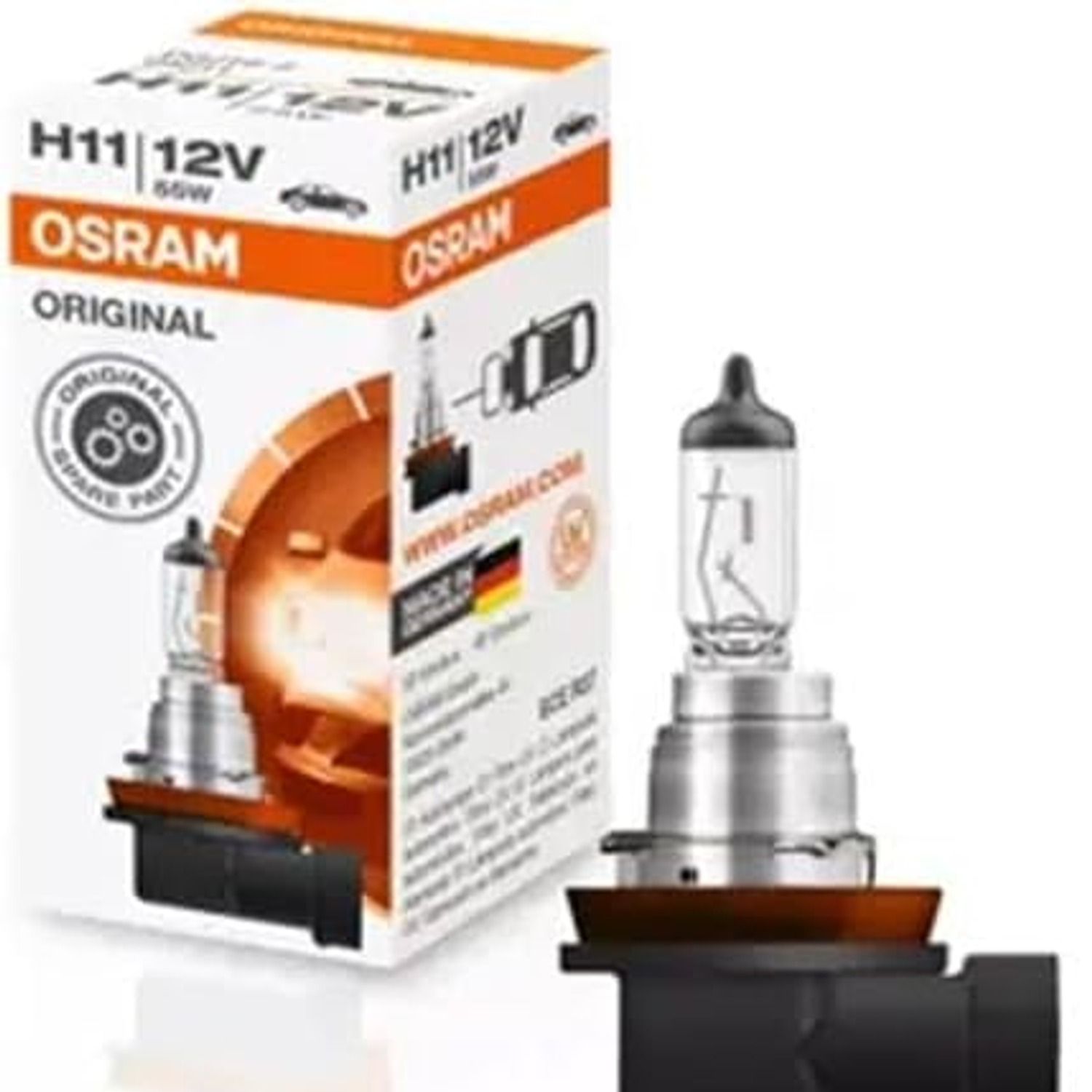
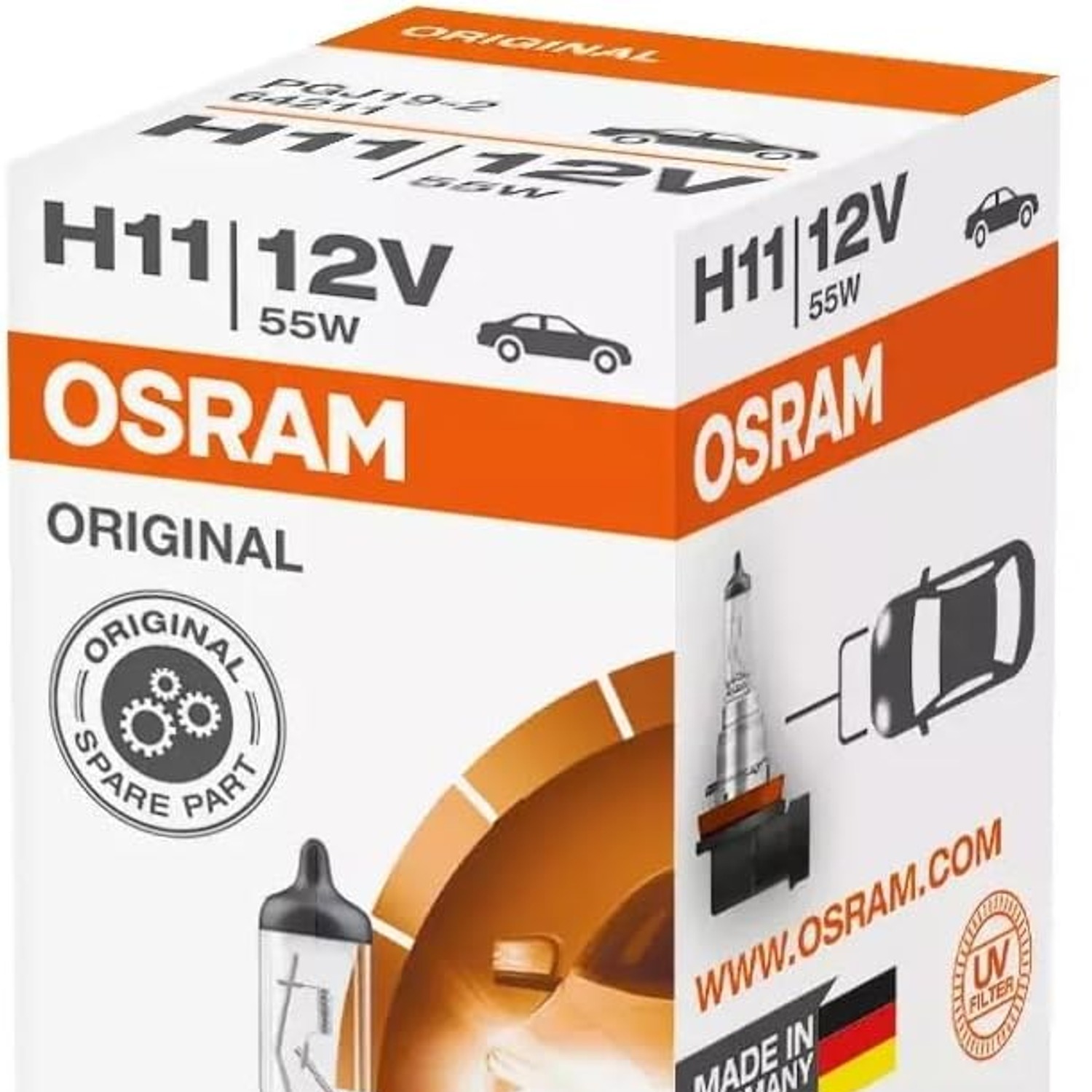
This page is about one specific type: the H11 halogen bulb, 12 volts, 55 watts, sold as a single bulb.
What the H11 fitting actually is
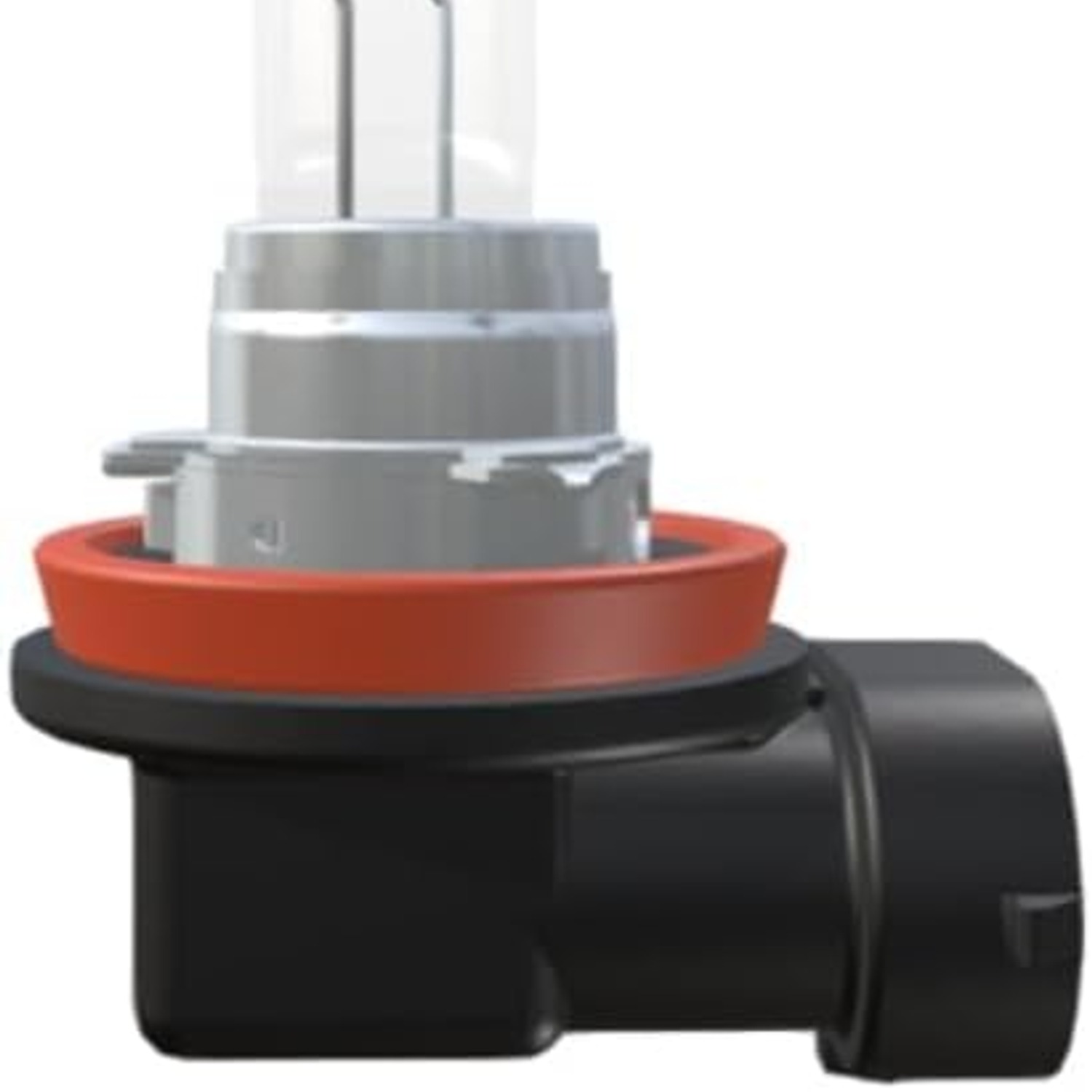
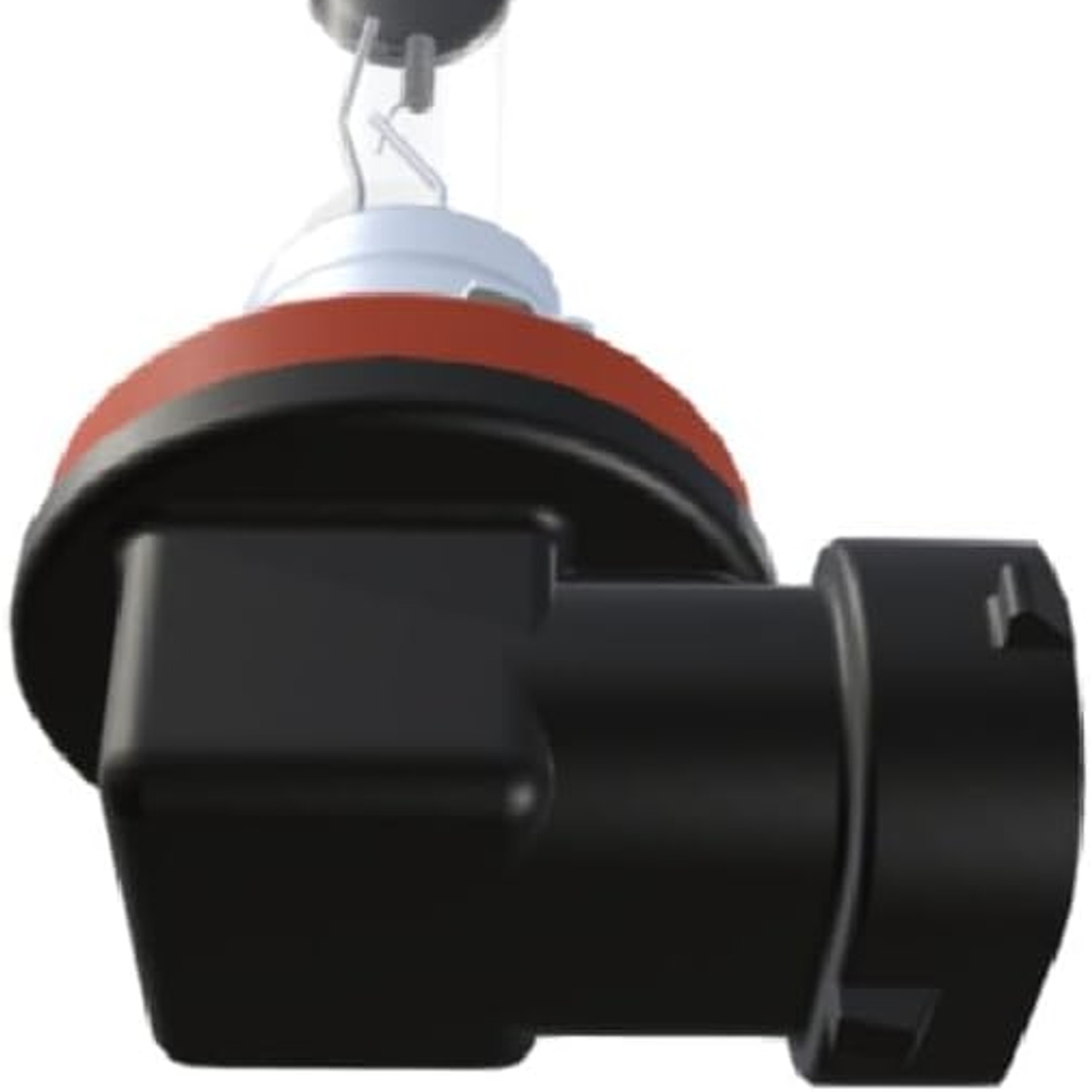
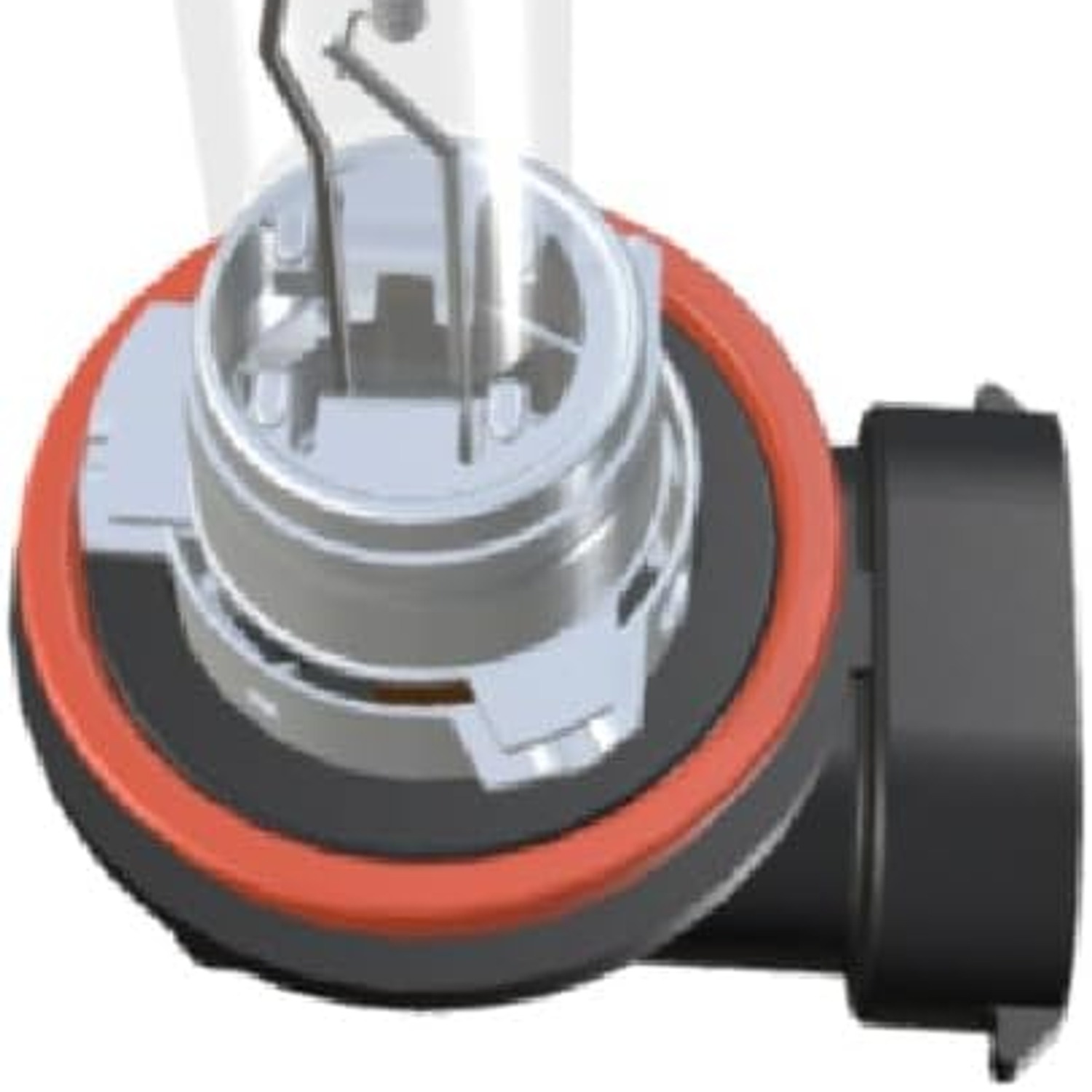
A bulb fitting is a standard shape. It covers the base, the tabs that locate the bulb in the lamp, and the plug that carries power. H11 has its own arrangement, and it is not interchangeable with other common headlamp fittings even where the glass envelope looks similar at a glance.
That is good news in practice, because it means the decision is binary. If the bulb currently in your headlamp is an H11, this is a correct replacement. If it is not, this bulb is not for you and no amount of pushing will change that.
There are two reliable ways to check. The owner manual normally lists the bulb type for each lamp position, including dipped beam, main beam and front fog. Failing that, take the old bulb out and read the moulding on the plastic base. The type is usually printed there in small raised letters. A phone torch helps.
Do not rely on what a friend's car uses, or on what the lamp looks like from outside. A minute spent reading the old bulb saves a return.
Halogen, in plain terms
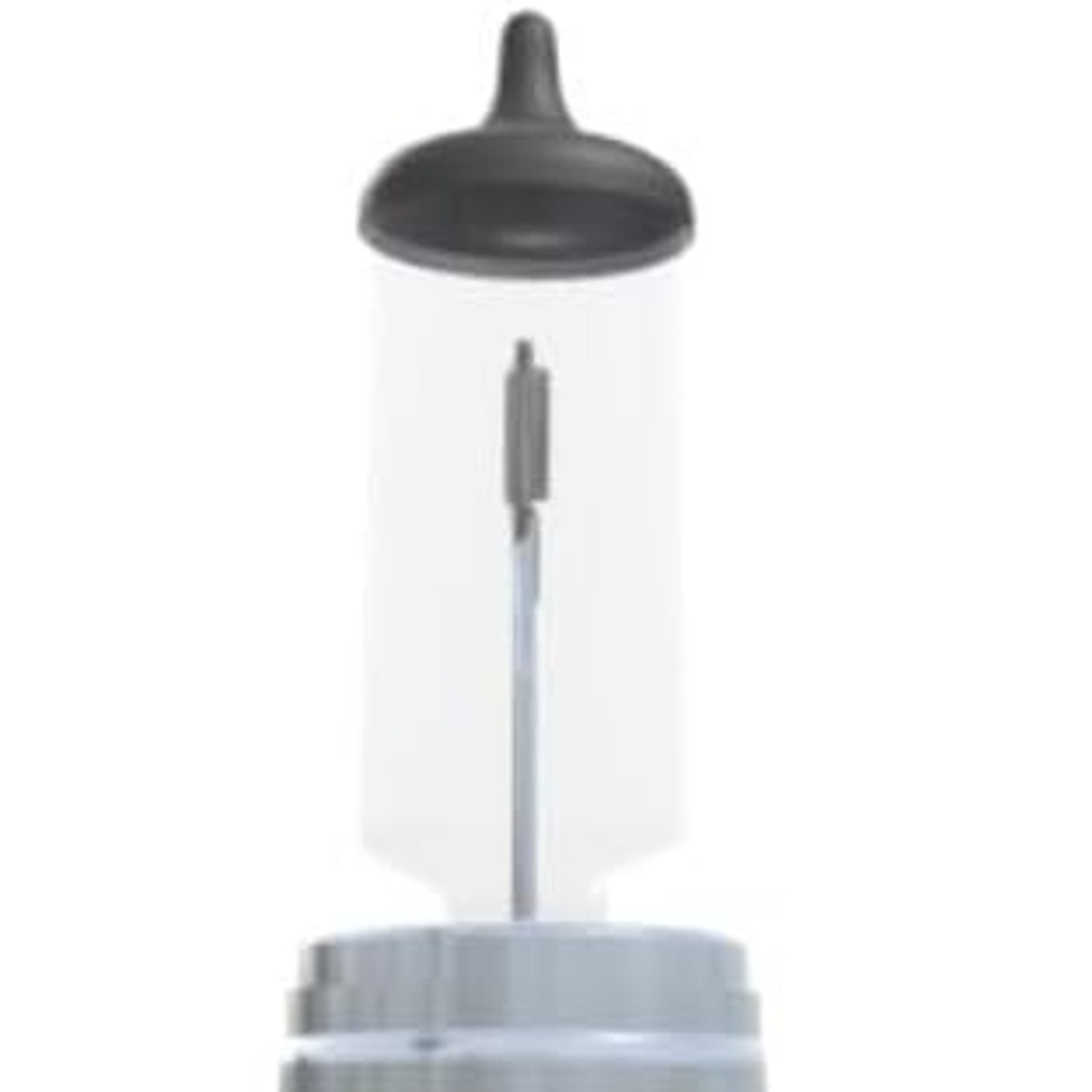
A halogen bulb is a filament bulb with a small amount of halogen gas sealed inside a quartz envelope. The gas helps return evaporated metal to the filament, which lets the bulb run hotter and brighter than a plain filament bulb of the same size. It is old technology in the best sense: well understood, widely stocked, and simple to swap.
It also runs genuinely hot. The housing, the bulb and the metal retaining clip all hold heat for a while after the lights go off. Give everything a few minutes to cool before you put your hands near it.
The other halogen quirk worth knowing is the glass. Quartz does not like the oils on human skin. A fingerprint left on the envelope can create a hot spot once the bulb is running, and that spot is where failures tend to start. Hold the bulb by the plastic base, or use a clean cloth or glove. If you do touch the glass by accident, it is not ruined. Wipe it with a lint-free cloth and a little methylated or surgical spirit, let it dry, then fit it.
Who this single bulb suits
Buying one bulb makes sense in a few situations.
The obvious one is a straightforward single failure. One side has blown, the other is fine, and you want to put it right without paying for a second bulb you will not use for another two years.
The second is the spare. Keeping a spare headlight bulb in the glovebox is one of those small bits of preparation that costs very little and occasionally saves an evening. If you drive long distances at night, or you run an older car, or you simply do not want to be hunting for a parts shop in an unfamiliar town, a spare in the boot is worth having.
The third is the matched pair, bought as two singles. Some drivers prefer both sides to be the same age so they look even and fail at roughly the same time. If that is you, order two and fit them together.
How to choose, step by step
Start with the fitting. Confirm H11 from the manual or the old bulb. This is the only compatibility check that matters here, and it is the one that catches people out.
Next, check the voltage. This is a 12 volt bulb, which covers most cars and light vehicles. Larger commercial vehicles often run 24 volt systems, which need different bulbs entirely.
Then the wattage. This bulb is 55 watts, the standard rating for the H11 fitting. Stick with the rating your vehicle specifies rather than trying to outsmart the design.
Finally, decide on quantity. One bulb for a single repair or a spare, two if you want to do both sides at once.
If you need a bulb with a specific marking on it, look at what is printed on your old bulb and ask us before ordering. We would far rather have that conversation first.
Fitting it without drama
Park somewhere level, switch the lights off, and let the lamp cool.
Open the bonnet and find the back of the headlamp. On many vehicles there is a round access cover that twists off. On others you will need to shift an air intake, a washer bottle, or a plastic trim panel first. A few cars want the whole headlamp unit removed, which is more of a job but still usually within reach of a careful owner with a socket set.
Unplug the connector from the bulb before you release it. Then release whatever is holding the bulb, which is commonly a wire clip or a quarter-turn collar. Note which way up the old bulb sat as it comes out.
Take the new bulb out of its packaging, holding the base. Seat it in the same orientation, making sure the locating tabs drop into their slots. It should sit flat and feel properly home. Lock the clip or collar, push the connector back on, and refit the cover.
Then test it before you pack up. Switch the lights on, check both sides, and have a quick look at the beam against a wall or a garage door. A bulb that is not fully seated will usually give itself away with a beam that sits noticeably high, low or skewed.
Looking after it
There is very little maintenance involved with a headlight bulb, but two habits help.
Keep the glass clean during handling, as described above. And if you are storing a spare, leave it in its packaging somewhere dry where it will not knock about. Loose bulbs rolling around a toolbox pick up grease and chipped contacts.
Outside the bulb itself, cloudy or yellowed headlamp lenses scatter light and make a perfectly good bulb look tired. If your lenses have gone hazy with age, cleaning or restoring them often makes more difference at night than anything you change inside the lamp.
The short version
This is one H11 halogen headlight bulb, 12 volts, 55 watts, sold singly. It replaces an existing H11 bulb and nothing else, so confirm the type in your owner manual or on the base of the old bulb before you order.
Handle it by the base, keep your fingers off the glass, and let the lamp cool first. Seat it properly, test it before you close the bonnet, and consider ordering a second one so both sides match or so you have a spare ready for next time.
If you are unsure about the fitting, or you need a bulb with a particular marking on it, get in touch with the details printed on your old bulb and we will tell you what we hold.